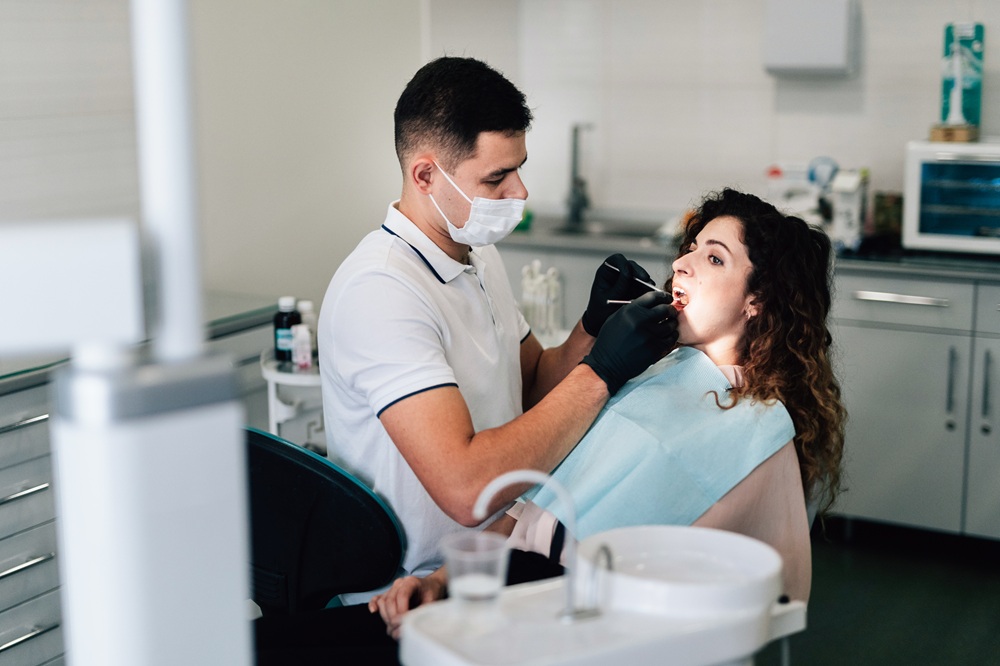
Preventive dentistry helps keep your teeth and gums healthy and can help stop dental problems from getting worse. It includes regular dental checkups, professional teeth cleanings, fluoride treatments, and good habits at home, such as brushing and cleaning between your teeth. Regular dental visits can help find cavities, gum problems, and other changes early, even when they do not cause pain. Regular care also helps your dentist monitor your oral health over time. Preventive dentistry near you combines dental care with good daily habits to help keep your teeth and gums healthy.
Understanding what preventive dentistry includes and why regular care matters can make it easier to maintain good oral health.
What Is Preventive Dentistry?
Preventive dentistry is dental care that focuses on avoiding or finding problems early. Instead of waiting until a tooth hurts, regular care helps identify concerns before they become more difficult to treat.
It may include:
- Regular dental checkups
- Professional teeth cleaning
- Fluoride treatment when needed
- Dental X-rays when recommended
- Checking the teeth and gums
Advice about brushing and cleaning between teeth
Why Do Regular Dental Checkups Matter?
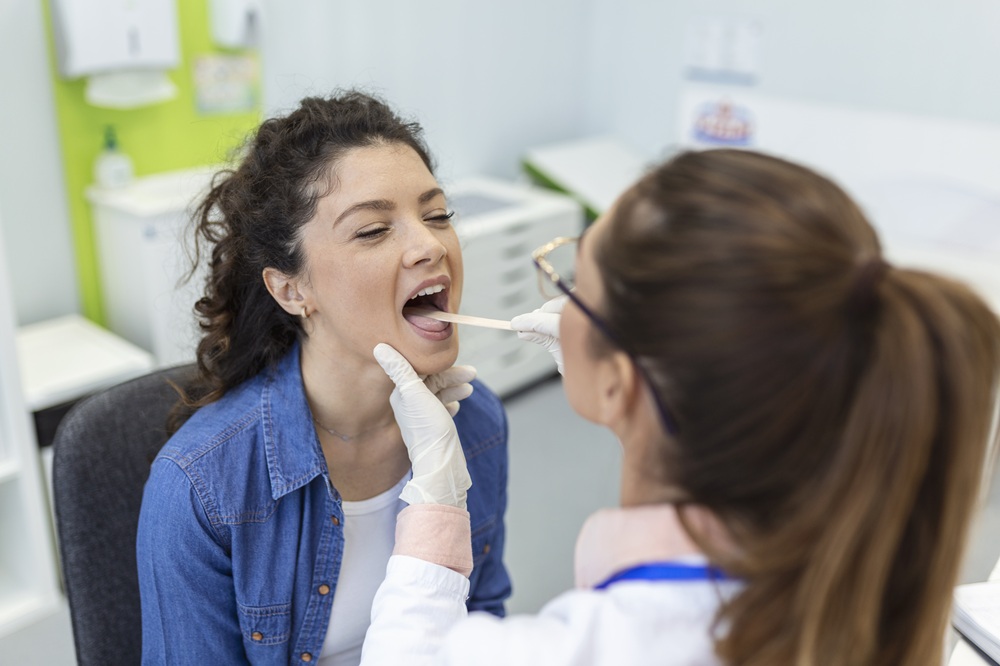
Regular checkups allow the teeth and gums to be examined even when there are no obvious symptoms. Small cavities, early gum problems, and other changes may not always cause pain.
A dentist in Lendrum can check for signs of dental problems and recommend care based on the condition of the teeth and gums. Finding a problem early may allow simpler treatment in some cases.
How Do Professional Cleanings Help?
Plaque is a sticky layer that can build up on the teeth. If it is not removed, it can harden into tartar, which cannot be removed properly with regular brushing alone.
Professional cleaning can help:
- Remove tartar from the teeth.
- Reduce plaque buildup
- Keep the gums cleaner.
- Remove some surface stains.
- Support better daily oral hygiene.
The need for professional cleaning depends on individual oral health.
What Role Does Home Care Play?
Dental visits are only one part of preventive care. Daily cleaning helps remove plaque before it can build up around the teeth and gums.
Helpful habits include:
- Brush twice a day with fluoride toothpaste.
- Clean between the teeth every day.
- Limit frequent sugary snacks and drinks.
- Replace a worn toothbrush or brush head.
- Follow dental advice for any specific oral health concerns.
Good daily habits can support the work done during regular dental visits.
Can Preventive Dentistry Help Find Problems Early?
Yes. Regular dental visits can help find problems before you notice any symptoms. A routine checkup may find early signs of tooth decay, gum problems, worn teeth, or other dental concerns.
Preventive dentistry near you can help monitor changes in oral health and determine when further care may be needed.
How Does Preventive Care Protect the Gums?
Healthy gums help support the teeth. Plaque that remains around the gumline can irritate the gums and may contribute to gum disease.
A dentist near you can check for signs such as:
- Red or swollen gums
- Bleeding during brushing
- Gum tenderness
- Changes in the way the teeth fit together
- Gum areas that appear to be pulling away from the teeth
Regular cleaning and good home care can help reduce plaque buildup around the gums.
Who Can Benefit From Preventive Dentistry?
Preventive dental care can be useful at different stages of life. Children, teenagers, adults, and older adults can all benefit from regular checks and good daily habits.
The type and frequency of care may vary depending on factors such as:
- Age
- Oral health
- Previous dental problems
- Risk of cavities
- Gum health
- Daily oral hygiene
A dentist can recommend a care schedule based on individual needs.
What Happens During a Preventive Dental Visit?
A preventive visit may involve several simple steps. The exact visit can vary depending on the needs of the teeth and gums.
It may include:
- Reviewing any current dental concerns.
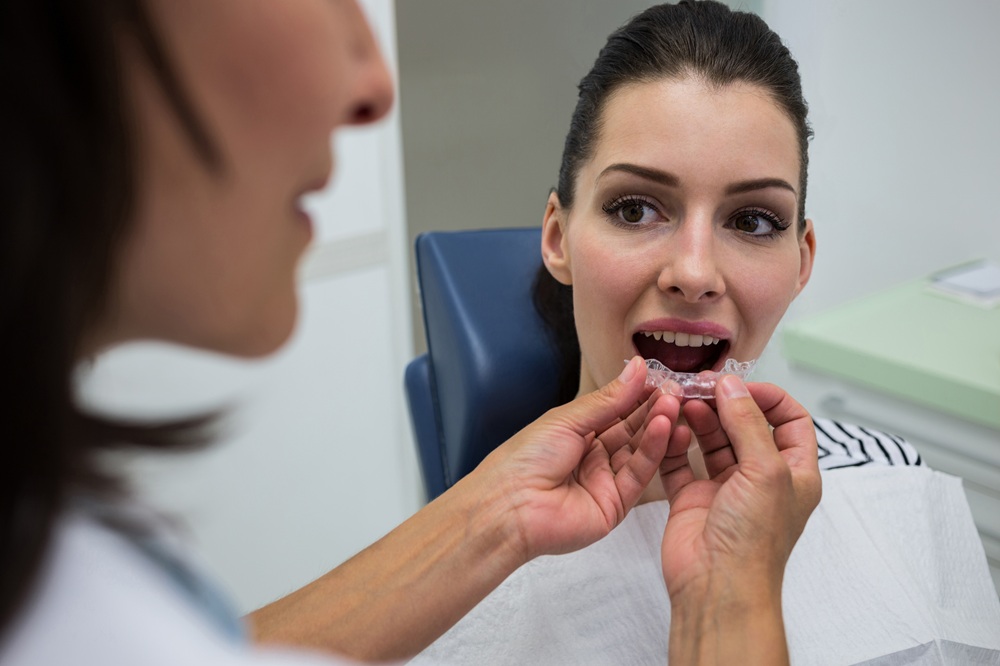
- Examining the teeth and gums.
- Checking for signs of cavities or other problems.
- Cleaning the teeth when needed.
- Taking X-rays if recommended.
- Guiding daily dental care.
Stay Ahead With Preventive Dental Care!
Taking care of your teeth before problems become serious can make everyday dental care easier. Regular checkups, professional cleanings, and good habits at home can help keep your teeth and gums in good condition. Early attention to changes in your oral health may also help identify concerns before they become more difficult to manage.
Book an appointment with Mak Dental to discuss your preventive dental care needs and learn how regular care can help protect your smile.
FAQs
Can preventive dentistry help with bad breath?
It can help when bad breath is related to plaque buildup, tartar, or gum problems. Regular cleaning and good daily oral care can help keep the mouth cleaner and fresher.
What happens if a small cavity is found during a checkup?
The recommended treatment depends on the size and location of the cavity. Early decay may sometimes be managed with preventive care, while a larger cavity may need a filling.
Can preventive care help protect children’s teeth?
Yes. Regular dental visits, fluoride when needed, good brushing, and healthy food choices can help keep children’s teeth healthy as they grow.
Why is cleaning between teeth important?
A toothbrush cannot clean all the spaces between your teeth. Cleaning between your teeth helps remove food and plaque from these areas and helps keep your gums healthy.