Establishing healthy oral care habits early in life lays the foundation for a lifetime of bright, confident smiles. Many parents wonder when their child’s dental journey should begin and how frequently routine checkups are necessary as their little ones grow. Finding a compassionate dentist near you is a vital step toward safeguarding your child’s developing teeth, gums, and overall oral health.
Understanding the proper care schedule helps prevent cavities, monitors proper jaw alignment, and makes visits to the dental clinic a comfortable, positive experience for young patients.
Why Early Preventive Care Matters
In order to avoid dental decay in children, early examinations are essential. In addition to providing room for adult teeth, baby teeth aid in your child’s ability to chew comfortably, speak effectively, and develop a confident, healthy grin.
Children’s dentistry can identify minor problems early on before they become painful or require more complicated treatment. Additionally, these visits provide parents with simple advice on nutritious eating, grooming, and breaking bad behaviours like bottle use or thumb sucking.
An Age-by-Age Guide to Child Dental Visits
Children’s dental health needs rapidly alter as they get older. Here is a breakdown of the recommended visit frequencies and areas of focus for each developmental stage:
Infancy to Age 1: The First Visit
The Canadian Academy of Paediatric Dentistry advises making your baby’s first dental appointment by their first birthday or within six months of the eruption of their first tooth. The dentist carefully examines the gums, looks for early indications of decay, and assesses the development of the baby’s jaw at this initial appointment.
Toddlers and Preschoolers (Ages 2 to 5): Every 6 Months
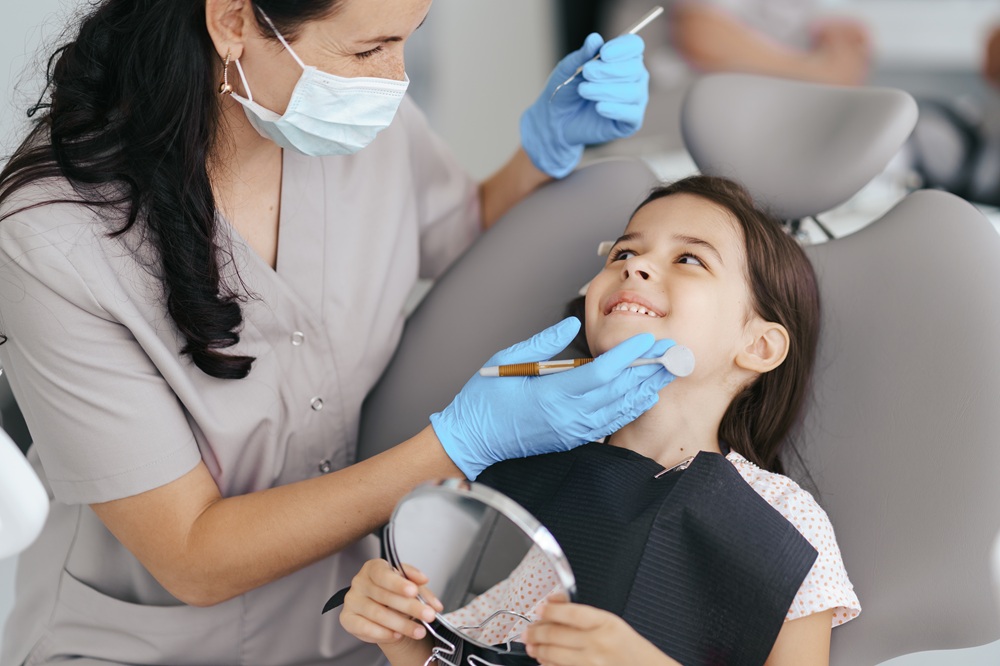
Toddlers should go to the clinic every six months once a complete set of primary teeth starts to erupt. Fluoride treatments, mild professional cleanings, and tooth spacing monitoring are all made possible by routine visits every six months. Toddlers can become accustomed to and comfortable in the dental setting at a young age by scheduling regular visits for children’s dentistry in Lendrum.
School-Aged Children (Ages 6 to 12): Every 6 Months
Regular six-month exams are still crucial as permanent adult teeth erupt and primary teeth relax. We may watch jaw growth, keep an eye on bite alignment, and put dental sealants in the deep grooves of adult molars to protect against bacteria that cause cavities when we see a dentist in Lendrum.
Teenagers (Ages 13 to 18): Every 6 Months
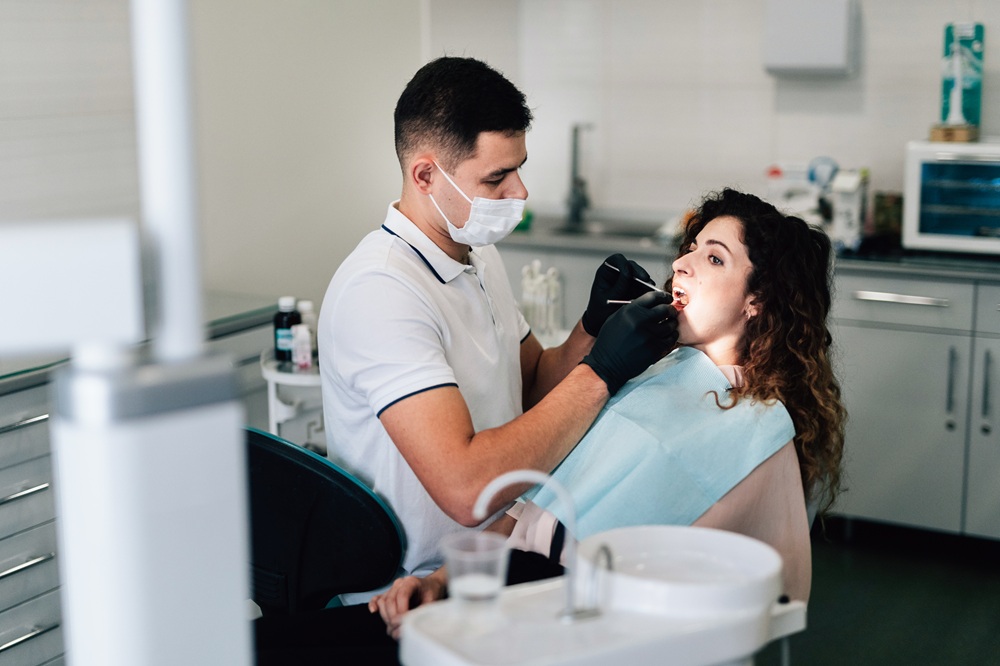
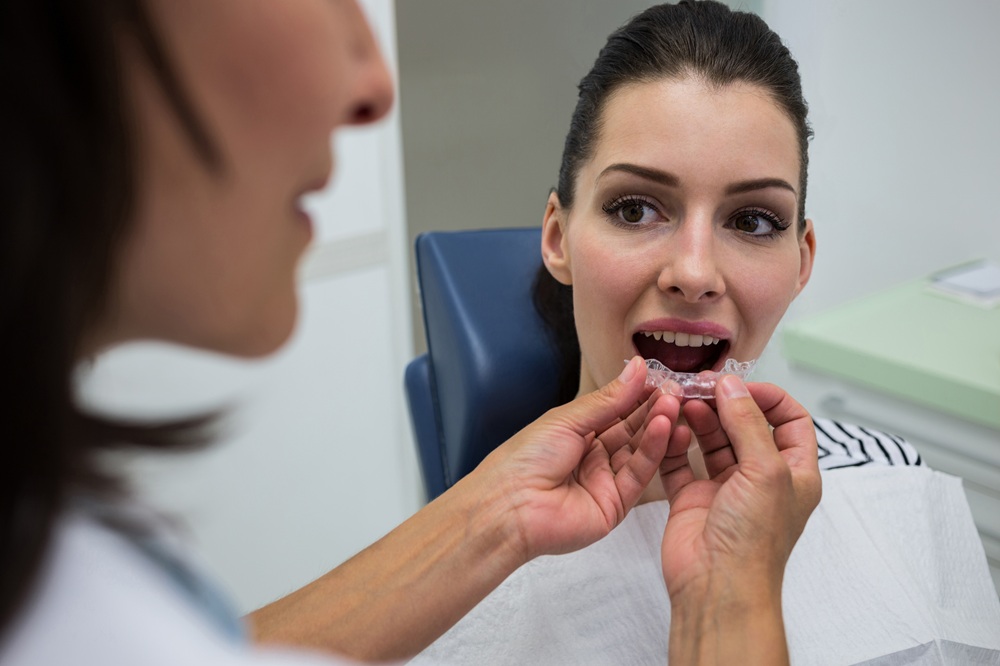
Teenagers require routine biannual examinations to preserve healthy enamel, clean hard-to-reach areas around orthodontic braces, and monitor the development of third molars, or wisdom teeth.
Your child will receive consistent, developmentally appropriate care at every stage of their development if you work with a qualified dentist.
Working with a skilled dentist guarantees that your child will receive consistent, developmentally appropriate care at every stage of their development.
Are you prepared to provide gentle, individualised care to promote your child’s developing smile? Make an appointment for your family’s upcoming examination with the welcoming staff at Mak Dental right now!
Frequently Asked Questions
Why are baby teeth so important if they fall out anyway?
Adult teeth can grow straight into the space left by baby teeth. Early tooth loss can cause neighbouring teeth to move, which can eventually result in crowded or crooked adult teeth.
How can I prepare my child for their first visit?
Keep things enjoyable and light-hearted! Practice opening wide together, read stories about visiting the dentist, and refrain from using terms like “pain,” “shots,” or “needles.”
Are dental X-rays safe for kids?
Yes. Modern digital X-rays use extremely low radiation and are only taken when needed to check jaw growth or spot cavities hiding between teeth.
What should I do if my child gets a toothache?
Rinse their mouth gently with warm water and check for trapped food with dental floss. If the pain or swelling continues, call your dental team right away.