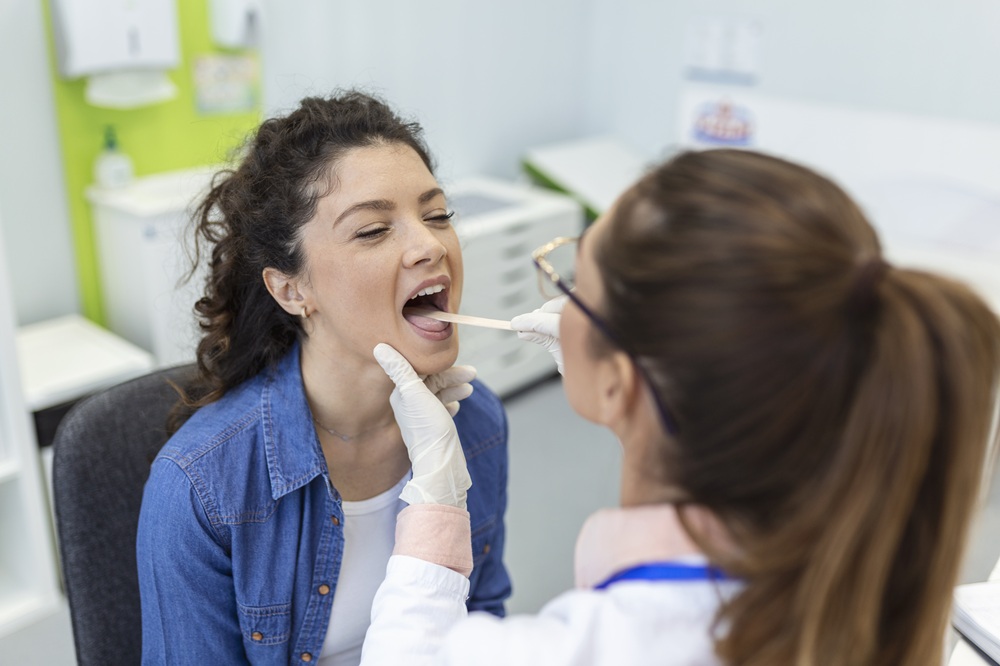
Oral cancer can develop on the lips, tongue, inner cheeks, gums, or other tissues within the mouth. Finding unusual changes early can make it easier to understand what is causing them and decide what care may be needed. A dental clinic in Lendrum can check your mouth for changes during a routine dental visit, even when you do not have pain or other obvious symptoms. Early attention is important because some oral cancer signs can look like common mouth problems at first.
Regular dental checkups and awareness of changes in your mouth can help you avoid ignoring symptoms that need a closer look.
What Is Oral Cancer?
Oral cancer is a type of cancer that can develop in the mouth or nearby tissues. It may affect different areas, so the signs and changes can vary from person to person.
Some changes that deserve attention include:
- A sore that does not heal
- A lump or thickened area
- A red or white patch
- Unusual bleeding
- Ongoing mouth pain
- Trouble chewing or swallowing
- Numbness in part of the mouth
- A change in how your teeth or dentures fit
These signs do not always mean cancer, but they should be checked if they continue or become worse.
Why Is Finding Oral Cancer Early Important?
Early detection gives you a better chance of finding a problem before it becomes more advanced. A dental professional may notice changes that are difficult to see or feel on your own.
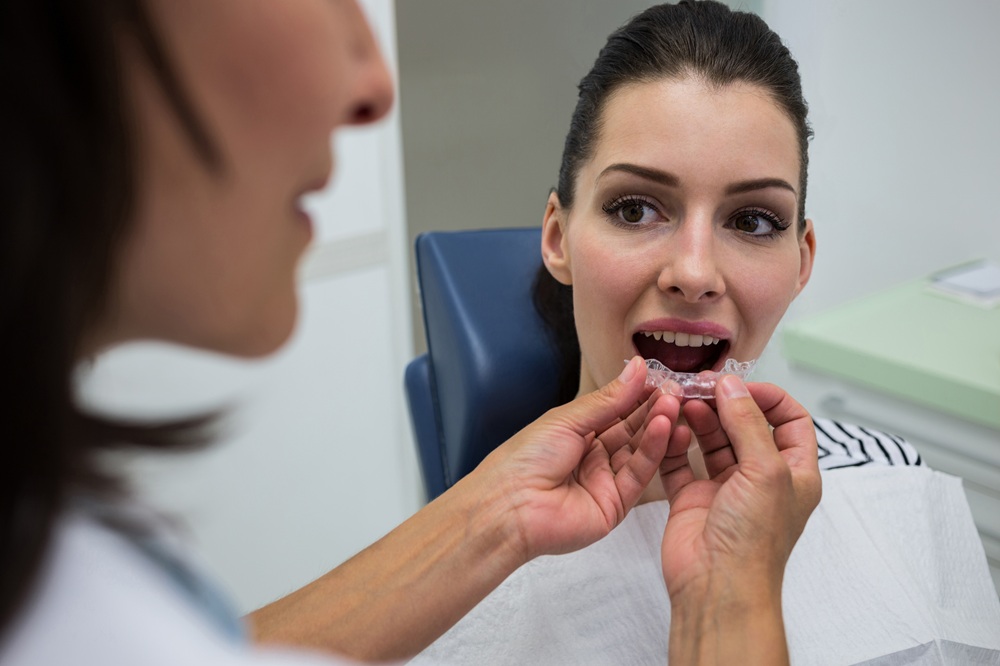
An oral cancer screening in Lendrum may be included as part of an oral examination. The mouth, gums, tongue, cheeks, and other areas are checked for unusual changes. If something looks concerning, further testing or referral may be recommended.
What Happens During an Oral Cancer Screening?
An oral cancer screening near you is usually a simple part of a dental examination. It does not mean that cancer has been found.
During the screening, the mouth may be checked for:
- Unusual spots or colour changes
- Sores or areas that have not healed
- Lumps or thickened tissue
- Swelling or tenderness
- Changes around the tongue and gums
- Other areas that appear different from normal
Depending on what is found, additional assessment may be suggested.
When Should You Have Your Mouth Checked?
Do not wait for severe pain before paying attention to changes in your mouth. Some serious conditions may not cause strong symptoms in the early stages.
Arrange a dental assessment if you notice a mouth change that:
- Lasts for more than two weeks
- Keeps returning
- Becomes larger or more painful
- Bleeds without a clear reason
- Makes eating or swallowing difficult
Causes lasting numbness or discomfort
Can Regular Dental Visits Help With Early Detection?
Yes. Regular dental visits give you more opportunities to have your mouth checked for changes. This is useful because you may not notice small changes yourself, especially in areas that are difficult to see.
A dental clinic near you can also help you understand which symptoms should be monitored and when a follow-up assessment may be appropriate.
What Factors May Raise the Risk of Oral Cancer?
Several factors may increase the risk of oral cancer. These can include tobacco use, heavy alcohol use, certain infections, sun exposure to the lips, and increasing age.
However, having a risk factor does not mean you will develop oral cancer. Likewise, oral cancer can occur in someone without obvious risk factors. This is why paying attention to unusual changes and keeping up with dental care remains important.
How Can You Stay Aware of Changes in Your Mouth?
You can become familiar with how your mouth normally looks and feels. This makes it easier to notice something different.
Simple habits include:
- Check your mouth from time to time.
- Pay attention to sores that do not heal.
- Notice new lumps, patches, or swelling.
- Do not ignore lasting pain or numbness.
- Tell a dental professional about unusual changes.
An oral cancer screening in Lendrum can provide another opportunity to identify changes that may need closer attention.
Stay Aware of Changes in Your Oral Health!
Noticing changes in your mouth is a good reason to have them checked, especially if they continue or become uncomfortable. A dental assessment can help identify what may be causing the change and whether any treatment or follow-up is needed.
Book an appointment with MAK Dental to have your oral health reviewed and talk through any changes, discomfort, or concerns you have noticed.
FAQs
Does oral cancer always cause pain?
No. Oral cancer does not always cause pain in the early stages. A sore, lump, patch, or other unusual change that does not go away should be checked by a dentist.
Can a mouth sore be cancer?
Most mouth sores are not cancer. However, a sore that does not heal within about two weeks should be checked by a dental professional.
Is oral cancer screening painful?
Usually, screening involves looking at and gently checking areas inside and around the mouth. It is generally quick and does not require treatment.
Can young adults get oral cancer?
Yes. Although risk increases with age, oral cancer can occur at different ages. Persistent or unusual mouth changes should not be ignored.