Most people only visit the dentist when something hurts. By that point, a small problem has usually become a big — and expensive — one. That is exactly why preventive dentistry matters so much.
Preventive dentistry near you is all about catching problems early, keeping your teeth clean, and stopping dental issues before they ever have a chance to develop. And when it comes to your wallet, the difference between preventing a problem and treating one is enormous.
What Is Preventive Dentistry?
Preventive dentistry includes everything your dental team does — and everything you do at home — to keep your mouth healthy before problems start.
It covers:
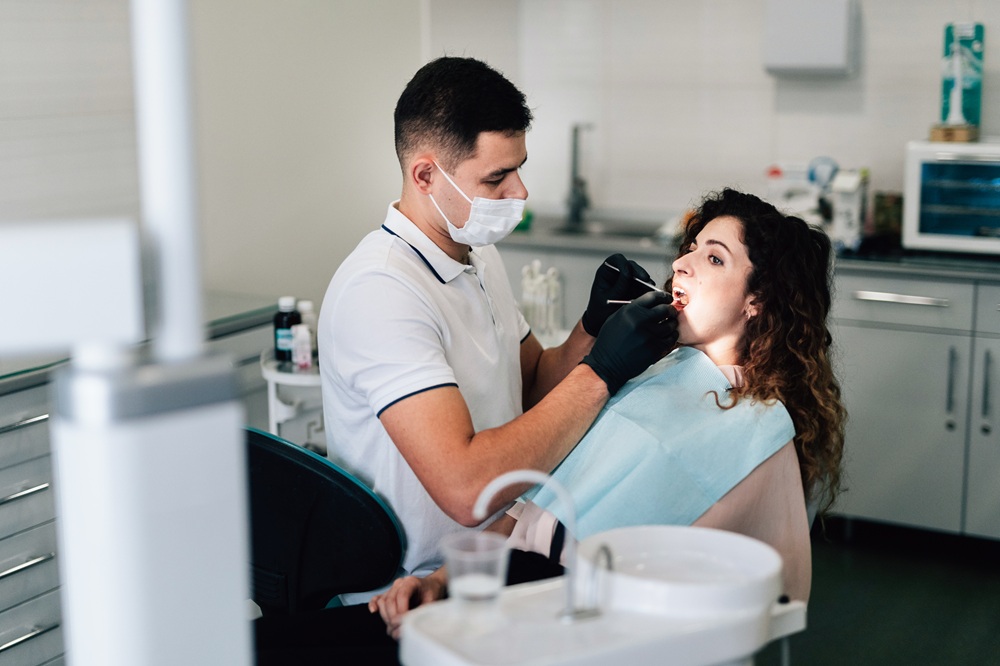
- Regular dental checkups and examinations
- Regular professional teeth cleanings
- Dental X-rays so that Dr. Johnson can detect issues that aren’t visible in the mouth
- Fluoride treatments so your teeth can have strong, smooth enamel
- Dental sealants so that your back teeth can have protection against cavities
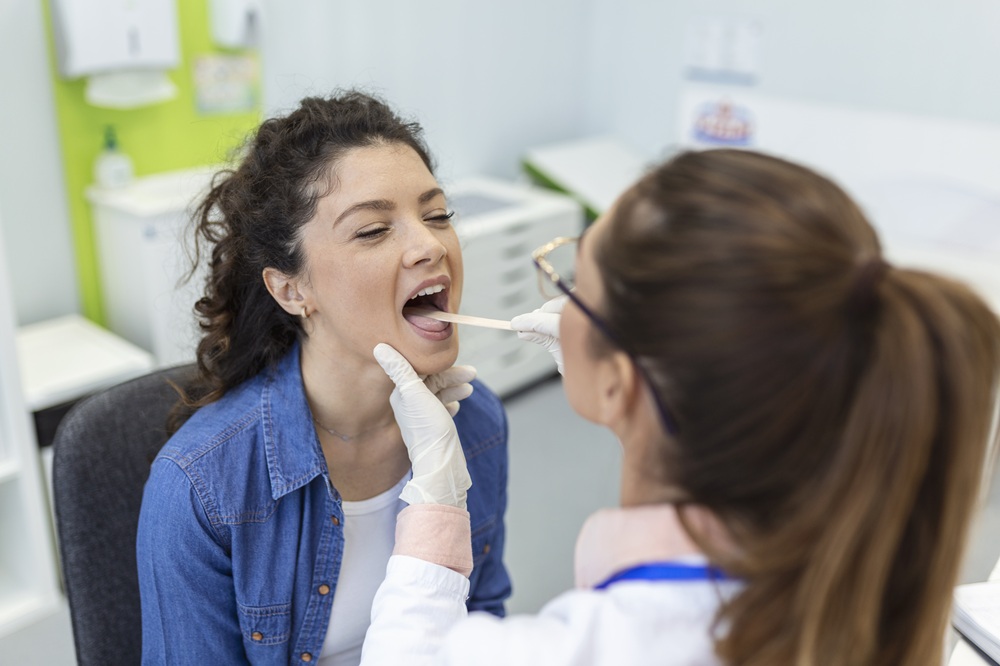
- Screenings for oral cancer
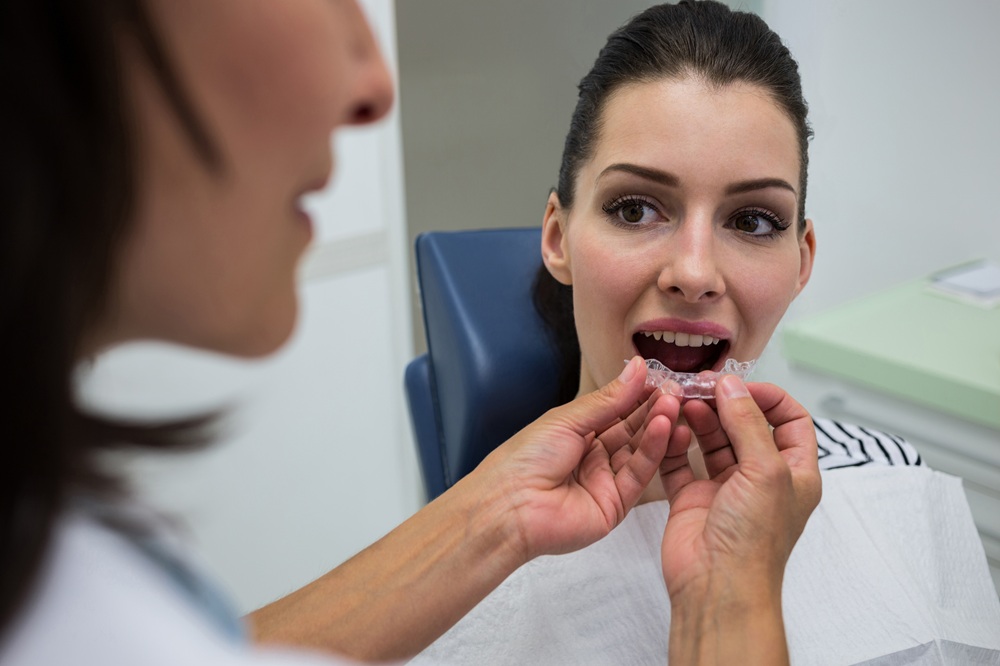
- Night guard or mouth guard to prevent grinding (or to protect sports participants)
- Specific advice and instruction on how to brush and floss most effectively.
Each of these is simple. Together, they are the strongest defence that can be built against problems that require expensive restorative care.
The Real Cost Difference—Prevention vs Treatment
This is where the numbers really tell the story.
| Preventive Treatment | Approximate Cost | What It Prevents | Treatment Cost If Ignored |
| Routine cleaning and exam | Low | Cavities, gum disease | Fillings, root canals, extractions |
| Dental sealants | Low | Cavities in back teeth | Fillings and crowns |
| Fluoride treatment | Very low | Enamel erosion and decay | Multiple fillings |
| Gum disease screening | Included in checkup | Periodontitis | Deep cleaning, surgery, tooth loss |
| Mouthguard for grinding | Moderate | Cracked and worn teeth | Crowns, veneers, implants |
| Oral cancer screening | Included in checkup | Late-stage cancer | Extensive medical and dental treatment |
The pattern is clear. A small investment in prevention consistently saves patients from far larger costs down the road.
How Skipping Checkups Leads to Bigger Bills
Here is a real-world example that many people can relate to.
A small cavity, caught early, takes about 20 to 30 minutes to fill. It is quick, affordable, and causes minimal discomfort.
That same cavity, left untreated for another year, reaches the inner pulp of the tooth. Now you need a root canal, which is significantly more involved and more expensive. Add a crown on top of that, and the total cost is many times higher than a simple filling would have been.
Leave it even longer, and the tooth may need to be extracted entirely. Then you are looking at an implant or bridge to replace it—costs that dwarf everything that came before.
All of that from one small cavity that a routine checkup would have caught.
Gum Disease — The Silent Expense
Gum disease is one of the most common dental conditions in adults—and one of the most expensive to treat once it progresses.
In its early stage, called gingivitis, it causes redness and bleeding gums. At this point, professional cleaning and improved home care can reverse it completely.
Left untreated, gingivitis becomes periodontitis. The gums pull away from the teeth, the supporting bone breaks down, and teeth can eventually become loose and fall out.
Treatment for advanced gum disease involves deep cleaning procedures, possible surgery, and ongoing maintenance visits. The cost adds up quickly, and the damage to the bone and teeth can be permanent.
Catching gum disease at the gingivitis stage costs almost nothing extra. Treating it at the advanced stage is a very different story.
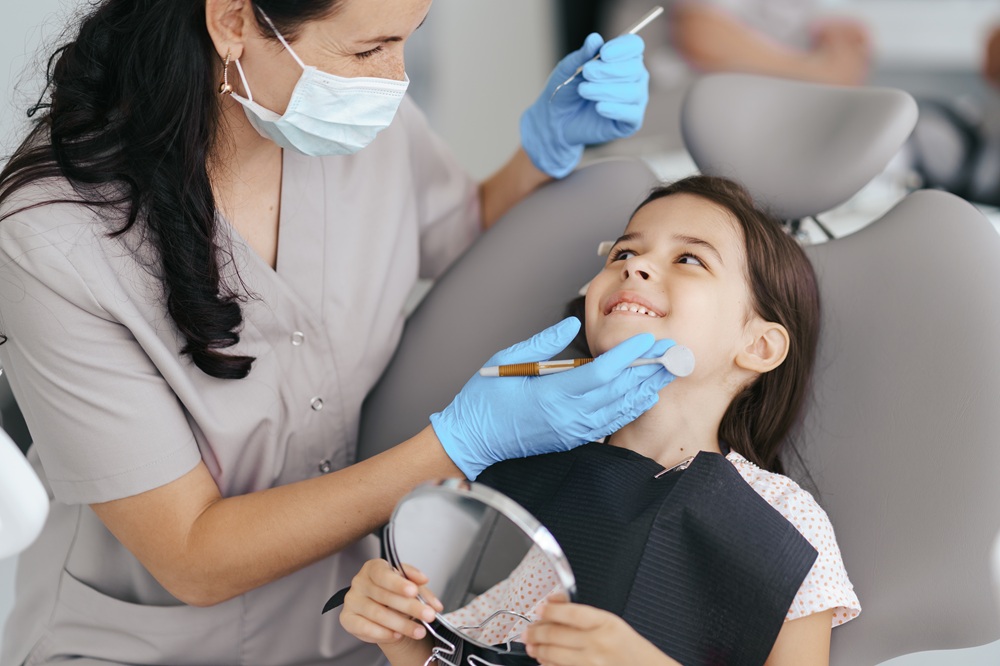
Children and Preventive Dentistry — Starting Early Pays Off
Building good dental habits in childhood sets the foundation for a lifetime of healthy teeth.
Kids who go to the dentist routinely for check-ups and get fluoride and sealants have considerably less tooth decay. Less decay leads to fewer fillings. Fewer fillings lead to less damage to the natural tooth structure in the long run.
It also means children grow up without dental fear—because their visits are routine and comfortable rather than urgent and stressful.
A dental clinic near you that focuses on preventive care for the whole family is one of the best long-term investments a parent can make.
Things You Can Do at Home
The effects of professional preventive care are amplified with healthy daily habits.
Simple things that make a real difference:
- Brush for two full minutes twice a day with fluoride toothpaste
- Floss every single day — yes, every day
- Drink water regularly, especially after meals
- Limit sugary snacks and acidic drinks
- Replace your toothbrush every three months
- Wear your nightguard if your dentist has prescribed one
- Do not smoke—it significantly raises the risk of gum disease and oral cancer
These habits cost almost nothing. But they protect your teeth every single day between visits.
How Often Should You Visit for Preventive Care?
For most people, twice a year is the standard recommendation. Some patients with a higher risk of cavities or gum disease may benefit from three or four visits per year.
The key is consistency. Skipping one or two years of checkups is exactly when small problems quietly become big ones.
Your dental team at a trusted dental clinic in Edmonton will assess your individual needs and recommend the right schedule for you—because prevention looks different for every patient.
Your Healthiest Smile Starts Here—Choose Mak Dental
Preventive dentistry is not just good for your teeth — it is good for your finances, your time, and your peace of mind. The patients who invest in regular care consistently spend less, experience less discomfort, and enjoy better oral health throughout their lives.
At Mak Dental, the team is genuinely committed to helping every patient stay ahead of dental problems with thorough, personalized preventive care. Serving patients across Edmonton, Mak Dental offers a warm, welcoming environment where your long-term health always comes first. Whether you are due for a checkup or starting fresh after a long gap, now is the perfect time to take that step—book your appointment with us today.
FAQs
Q1: How early should children start preventive dental visits?
Most dentists recommend bringing children in for their first visit around their first birthday or when their first tooth appears—starting early builds healthy habits and allows early detection of any concerns.
Q2: Does dental insurance usually cover preventive care?
Most dental insurance plans cover routine checkups, cleanings, and X-rays at little to no cost—making preventive care even more financially accessible for most patients.
Q3: Can preventive dentistry help with bad breath?
Yes, professional cleanings remove the bacteria-laden plaque and tartar that are among the most common causes of persistent bad breath.
Q4: Is preventive dentistry only for people with existing dental problems?
Not at all—preventive dentistry is most valuable for people who currently have healthy teeth, because the goal is to keep them that way rather than waiting for problems to develop.