Regular dental cleanings help remove plaque and hardened deposits that brushing and flossing may leave behind. These deposits can contribute to gum disease and tooth decay if they are not removed. Visiting a dental clinic near you for routine cleaning can help keep teeth and gums healthy and allow early signs of dental problems to be noticed. However, professional cleaning alone cannot prevent every cavity or case of gum disease. Daily brushing, cleaning between the teeth, a balanced diet, and regular dental checkups are also important. The right cleaning schedule depends on the condition of the teeth and gums, personal oral health needs, and the risk of developing dental problems.
Understanding how professional cleaning works can help make regular dental care a useful part of a healthy routine.
How Do Dental Cleanings Help Protect Teeth and Gums?
Plaque is a sticky layer of germs that builds up on your teeth every day. If you do not remove it, it can turn into hard tartar. A toothbrush cannot remove all the tartar, so you need a professional dental cleaning.
Professional cleaning helps by:
- Removing plaque and tartar from tooth surfaces.
- Cleaning areas that are difficult to reach with daily brushing.
- Reducing the buildup that can irritate the gums.
- Helping the dental team notice early signs of oral health problems.
- Dental cleanings help keep your mouth clean along with daily brushing and flossing.
Dental cleanings in Lendrum help remove plaque and tartar from your teeth. However, they do not replace daily brushing or the treatment needed for existing dental problems.
Can Regular Cleanings Help Prevent Gum Disease?
Yes. Regular professional cleanings can help lower the risk of gum disease by removing plaque and tartar that irritate the gums. Early gum disease, called gingivitis, may cause redness, swelling, or bleeding during brushing and flossing.
If plaque stays on the teeth, gum inflammation may continue. In some cases, gum disease can progress and damage the tissues and bone that support the teeth.
To help protect gum health:
- Brush twice daily with fluoride toothpaste.
- Clean between the teeth every day.
- Keep regular dental cleaning appointments.
- Tell the dental team about bleeding, swelling, or ongoing bad breath.
A dental clinic in Lendrum can check the gums for signs of inflammation and recommend suitable care. If gum disease has progressed, a routine cleaning may not be enough, and deeper cleaning or other treatment may be needed.
Do Dental Cleanings Prevent Cavities?
Professional dental cleaning removes plaque, which contains germs. These germs turn sugar from food and drinks into acids. Over time, these acids can weaken the hard outer layer of your teeth and cause cavities.
Cleaning helps prevent cavities, but it cannot guarantee that cavities will not develop. Fluoride use, eating habits, saliva, oral hygiene, and tooth shape also affect the risk of cavities.
Helpful habits include:
- Brushing twice daily with fluoride toothpaste.
- Limiting frequent sugary snacks and drinks.
- Drinking water regularly.
- Cleaning between teeth to remove trapped food and plaque.
- Getting dental checkups to identify early signs of decay.
If a cavity has already formed, a professional cleaning will not repair the damaged tooth. Treatment depends on the size and location of the cavity.
How Often Should Dental Cleanings Be Scheduled?
Many people benefit from professional cleaning about every six months, but this schedule is not right for everyone. Some people may need more frequent visits because of gum disease, heavy tartar buildup, certain health conditions, or a higher risk of cavities.
A dental clinic can help determine a suitable schedule based on gum health, plaque buildup, and dental history. Keeping appointments as advised can also help identify changes before they become more serious.
What Should You Expect During a Professional Cleaning?
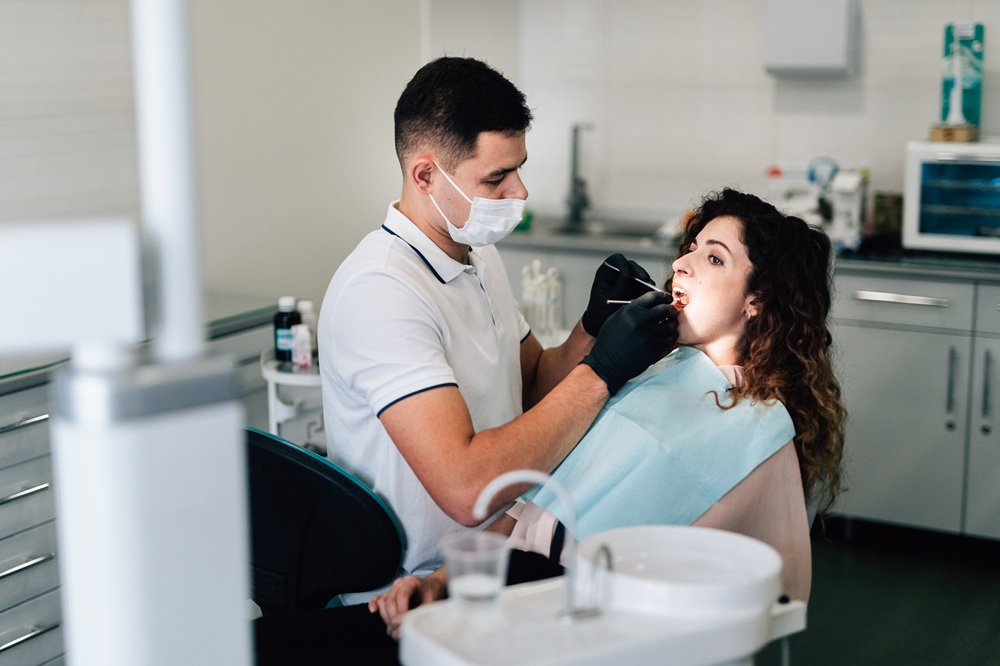
A routine cleaning usually includes checking the teeth and gums, removing plaque and tartar, and cleaning the tooth surfaces. The dental team may also offer advice about brushing, flossing, and other ways to care for the mouth.
During your visit, tell your dentist if your teeth feel sensitive, your gums bleed, you have pain, or you have noticed any changes since your last visit. This helps your dentist check your mouth and decide if you need any treatment.
Dental cleanings may be part of a preventive care plan designed around individual oral health needs.
Give Your Smile the Care It Needs
Keeping teeth and gums healthy takes more than brushing at home. Regular professional cleanings can remove stubborn buildup and help identify early signs of dental problems before they become harder to manage. At Mak Dental, you can discuss your oral health concerns, understand your cleaning needs, and learn how to care for your teeth between visits. Book your appointment today to plan your next dental cleaning and take a practical step toward a healthier smile.
FAQs
Can dental cleanings cure gum disease?
A professional cleaning can help treat early gum problems, such as swollen gums. More serious gum disease may need a deeper cleaning or other treatment.
Can you still get cavities after a cleaning?
Yes. Cleaning removes plaque and tartar from your teeth, but cavities can still form. Eating sugary foods often, not cleaning your teeth well at home, and other factors can increase the risk.
Do dental cleanings hurt?
Most dental cleanings do not hurt much. However, you may feel some pain if your teeth are sensitive or your gums are swollen. Tell your dentist if you feel any pain.
Should children get regular dental cleanings?
Yes. Dental cleanings and checkups help remove plaque, check how their teeth are growing, and teach them how to care for their teeth.