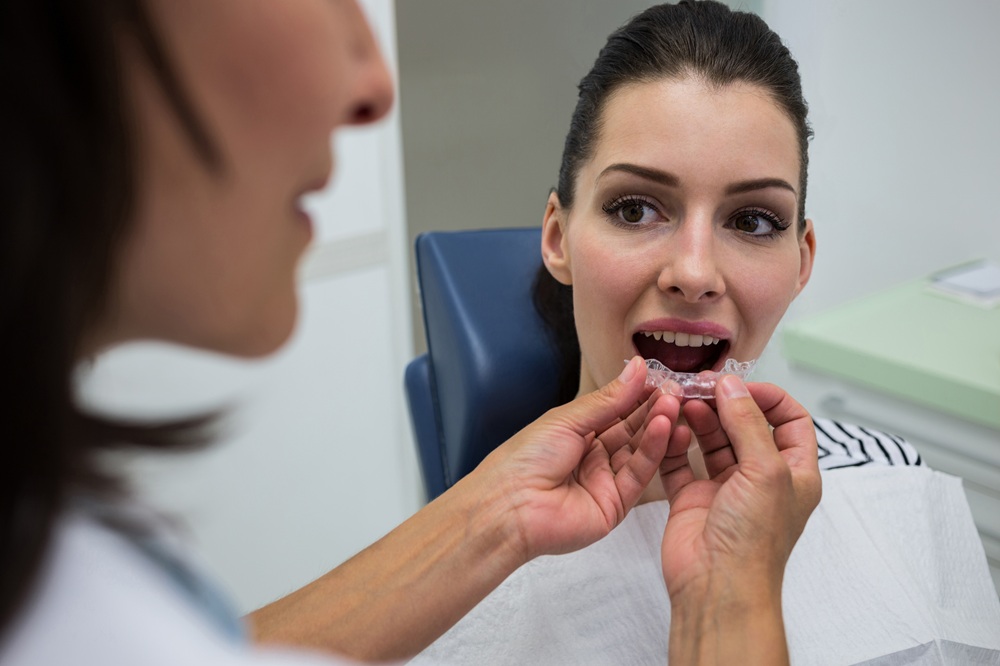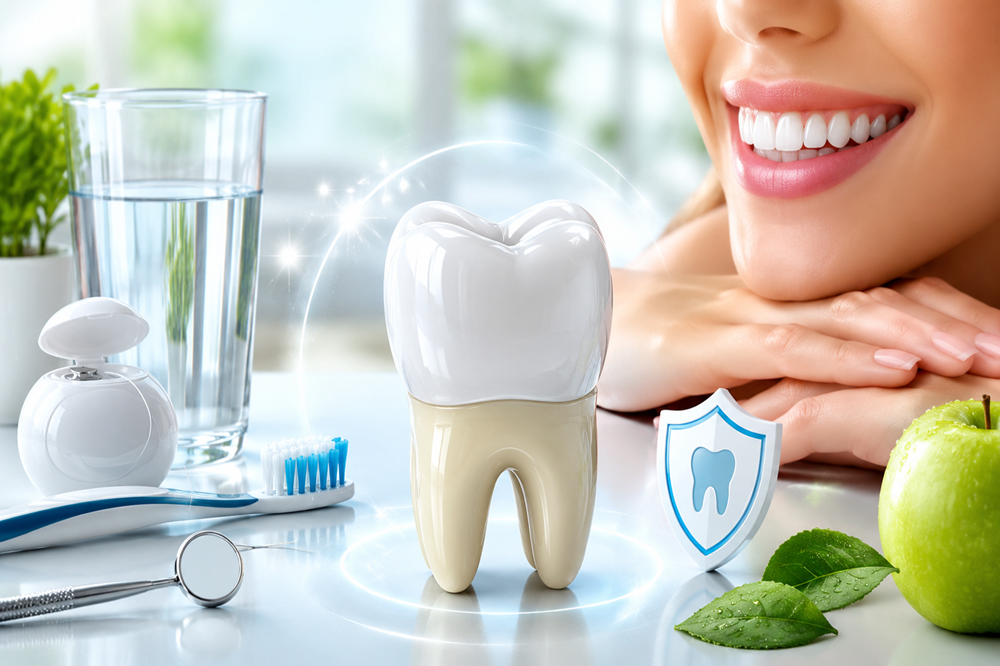
How do you keep dental crowns strong and long-lasting? Dental crowns help restore damaged teeth, improve chewing, and bring back a natural-looking smile. Many people choosing dental crowns in Edmonton often want to understand the best way to care for them so they last for many years. With simple daily habits and regular dental check-ups, crowns can stay strong, comfortable, and reliable for a long time.
What is a Dental Crown?
A dental crown is a cover placed over a weak or damaged tooth. It helps protect the tooth and improves its shape and strength.
A dentist in Edmonton may recommend a crown when a tooth is:
- Broken or cracked
- Heavily filled or weak
- After root canal treatment
- Poor in shape or colour
Crowns work like protective caps that keep the tooth safe during daily use.
Why Proper Care of Dental Crowns is Important
Even though crowns are strong, they still need care. Without proper habits, they can wear out or become loose.
Good care helps:
- Increase crown lifespan
- Prevent gum problems
- Avoid tooth decay under the crown.
- Maintain natural appearance
Simple steps can make a big difference in long-term results.
Daily Care Tips for Dental Crowns
Taking care of crowns is easy and similar to caring for natural teeth.
Basic Daily Routine:
- Brush teeth twice a day.
- Use a soft toothbrush.
- Clean gently around the crown.
- Floss daily to remove food particles
Helpful Habits:
- Rinse after meals
- Use non-abrasive toothpaste
- Keep gums healthy
These habits help keep the crown strong and clean.
Foods to Avoid for Longer Crown Life
Some foods can damage or loosen dental crowns over time.
Foods to avoid or limit:
- Hard candies
- Ice cubes
- Sticky sweets like caramel
- Very hard nuts
- Chewing on pens or nails
Eating carefully helps protect your crown and your natural teeth.
Can You Eat Normally with a Dental Crown?
Yes, most people can eat normally after getting a crown. But in the beginning, extra care is needed.
Eating tips:
- Chew slowly at first.
- Do not bite hard foods on the crown side.
- Cut food into small pieces.
- Avoid very hot or very cold food at the start.
After some time, eating becomes completely normal again.
Why Regular Dental Visits Matter
Regular dental check-ups help keep your crown strong and in good condition.
Visiting a dentist near you helps with:
- Finding early damage in the crown
- Professional cleaning of teeth
- Checking gum health
- Making small adjustments if needed
Regular visits help your dental crown last longer.
How Long Do Dental Crowns Last?
Dental crowns can last many years with proper care.
Average Lifespan:
- 10 to 15 years on average
- It can last longer with good oral hygiene.
- Depends on daily habits and diet
Healthy care routines make crowns more durable.
Signs Your Dental Crown Needs Attention
It is important to notice early warning signs.
Watch For:
- Pain when chewing
- Crown feeling loose
- Gum swelling around the crown.
- Visible cracks or damage
If any of these occur, dental care should be sought promptly.
Common Mistakes That Damage Dental Crowns
Many small habits can shorten crown life.
Avoid These Mistakes:
- Grinding teeth at night
- Using teeth to open things
- Skipping brushing or flossing
- Ignoring dental visits
Breaking these habits helps protect the crown for years.
How to Keep Gums Healthy Around Crowns
Healthy gums are important for crown stability.
Simple Gum Care Tips:
- Brush gently near the gum line.
- Floss daily
- Avoid smoking
- Eat balanced meals
Healthy gums help crowns stay firm and secure.
Maintain a Healthy, Confident Smile with Expert Crown Care!
Get trusted care and professional help to keep your dental crowns strong and lasting longer. Improve your comfort, oral health, and smile confidence. Book your appointment today at Mak Dental and give your teeth the regular care they need to stay healthy and strong.
FAQs
How do I properly clean a dental crown?
Brush your teeth two times a day, gently floss around the crown, and rinse your mouth after eating. This helps remove food particles and keeps the crown clean and plaque-free.
Can a dental crown fall off?
Yes, it can happen, but it is not very common. It usually occurs due to tooth decay under the crown, an injury, or poor oral hygiene.
Do you need special toothpaste for crowns?
No, you do not need special toothpaste. Regular, non-abrasive toothpaste is enough for daily cleaning. It helps keep both your natural teeth and crowns clean.
Can you brush normally after getting a crown?
Yes, you can brush normally, but do it gently. Be careful around the crown and gums to keep the area clean and healthy.